
 EN
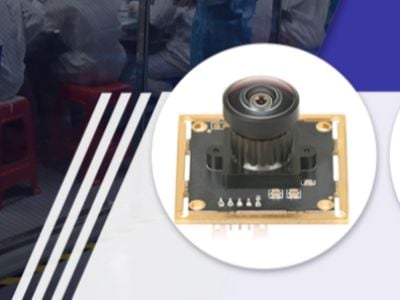
When you implement a professional vision system from Zhongweiaoke, optimizing your hardware integration is critical. These high-definition 1080p USB camera modules function as primary perceptual assets, allowing autonomous machines to map environments, identify complex components, and execute precise physical operations. Maximizing your technical return on investment after acquiring industrial camera units is a matter of selecting the correct optical configurations, establishing a robust maintenance schedule, and leveraging advanced digital imaging features
How 1080p USB Cameras Enhance Robotic System Performance
Integrating a high-resolution 1080p USB camera from Zhongweiaoke significantly increases the accuracy of computer vision systems by providing a dense grid of 1920 by 1080 pixels for real-time spatial analysis. This high pixel density is essential for edge-detection and object recognition algorithms, allowing a robotic arm in a warehouse or assembly plant to instantly differentiate between tightly packed products or align mechanical components within millimeter-level tolerances. Additionally, these industrial-grade sensors feature high-speed frame rates and auto-exposure algorithms that prevent motion blur and adapt dynamically to shifting factory floor illumination, ensuring that local processing boards receive clear, noise-free frames for neural network inference
Where to Find High-Quality 1080p USB Cameras at Wholesale Prices
Sourcing reliable optical modules at direct wholesale prices requires bypassing purchasing through third-party retail channels and connecting directly with specialized, high-tech camera manufacturers like Shenzhen Zhongweiaoke Technology Co., Ltd. Exploring manufacturer platforms allows B2B procurement managers to review extensive technical specifications—such as M12 lens distortion-free ratings, infrared filter options, and PCB module dimension limits—before placing bulk orders. Establishing a direct partnership with the factory not only secures volume discounts but also ensures access to custom hardware engineering, detailed technical schematics, and a continuous supply of consistent replacement sensors to safeguard long-term production schedules
What Makes 1080p USB Cameras Ideal for Wholesale Buyers
Wholesale buyers benefit heavily from stocking 1080p industrial imaging camera due to their extreme versatility, ease of integration, and high market demand across multiple technology sectors. These cameras rely on standard UVC (USB Video Class) protocols, making them driver-free, plug-and-play modules that are universally compatible with major operating systems like Windows, Linux, Mac OS, and Android. Because they do not require specialized proprietary communication protocols, integration into everything from educational robotics kits to heavy industrial sorting machines is highly simplified, making them a low-risk, fast-turning inventory asset for bulk distributors
How to Troubleshoot Common Problems with 1080p USB Cameras
Resolving common industrial camera anomalies is usually a matter of systematic hardware validation, lens maintenance, and software resource allocation. If a camera system fails to initialize, technicians should check the integrity of the USB interface and ensure the physical cable meets the necessary power delivery and bandwidth requirements without signal degradation. Grainy, distorted, or out-of-focus video feeds can be quickly resolved by cleaning the optical lens with a micro-fiber cloth to remove particulate dust, adjusting the manual focus ring of the M12 lens, or ensuring that background processing programs are closed to prevent frame drops caused by CPU bottlenecks
What Are the Benefits of Upgrading to 1080p USB Cameras in Robotics
Upgrading your fleet to high-definition 1080p USB cameras and global shutter camera significantly future-proofs your automation systems by reducing spatial errors and expanding the operating capabilities of your robots. The transition from legacy low-resolution sensors to crisp high-definition feeds means that spatial mapping software can process much smaller geometric details, dramatically reducing positioning errors and increasing the speed of autonomous navigation. Furthermore, because these modern modules incorporate advanced hardware features like wide-angle, distortion-free glass lenses and robust low-light handling, your machines can confidently operate in challenging, unlit industrial environments without needing expensive, supplementary exterior lighting rigs.
Table of Contents
- How 1080p USB Cameras Enhance Robotic System Performance
- Where to Find High-Quality 1080p USB Cameras at Wholesale Prices
- What Makes 1080p USB Cameras Ideal for Wholesale Buyers
- How to Troubleshoot Common Problems with 1080p USB Cameras
- What Are the Benefits of Upgrading to 1080p USB Cameras in Robotics